
Looking for an Indian high-protein breakfast for vegetarians? Start with familiar foods: dal cheela, tofu bhurji, a curd bowl or a grain dish paired with beans or dairy. The useful question is what goes into your actual portion, rather than whether a recipe has a high-protein name.
Below are five ingredient ideas, substitutions and a simple way to compare portions. They are general meal-planning examples, not analysed recipes or a personalised protein target. Amounts are starting examples to adapt to appetite, preferences and any dietary advice you already follow.
Breakfast also fits into the rest of your food choices. The NHS vegetarian-diet guide describes a varied pattern including starchy foods, fruit and vegetables, protein foods, and dairy or suitable alternatives; balance can be considered across the day or week.
What to Include Alongside Protein at Breakfast
Build the meal around a food you enjoy, then check the combination:
- Include a protein food: for example, dal, beans, tofu, paneer, milk or curd.
- Keep other food groups in view: roti, oats or another grain can sit alongside fruit or vegetables. You do not need to remove all carbohydrate foods to make room for protein.
- Count the ingredients you actually use: oil, nuts, seeds and sweet toppings change the finished meal too.
- Choose a portion you can reproduce: record a weight or the same household bowl, and note how many portions the batch makes.
A breakfast description cannot establish the cause of tiredness or cravings, guarantee weight loss, or predict a blood-glucose response. Persistent symptoms and medical dietary needs deserve individual assessment.
Top Sources of Protein for Vegetarians in Indian Cuisine
The British Dietetic Association’s plant-based diet information identifies pulses, tofu, nuts and seeds among vegetarian protein choices, with dairy included when it is part of your diet.
- For savoury cooking: moong dal, besan, chickpeas, tofu or paneer.
- For a bowl or drink: plain curd, yoghurt, milk or a suitable fortified soya alternative.
- For a topping: nuts, seeds or roasted chana, with the quantity included in your portion notes.
Ordinary curd, strained yoghurt and different plant alternatives are not nutritionally identical. Compare the actual label, including protein per 100 g or 100 ml, rather than assuming the same amount from a product name.
For more options beyond breakfast, explore these vegetarian protein foods.
5 Indian Vegetarian Breakfast Ideas and Ways to Adapt Them
Use these as ingredient templates and adapt a recipe you already cook successfully. They have not been kitchen-tested or nutritionally analysed here. Weights specify dry, drained or ready-to-eat ingredients where relevant; they are not a recommendation that everyone should eat that quantity. No protein total is claimed for the finished dishes.
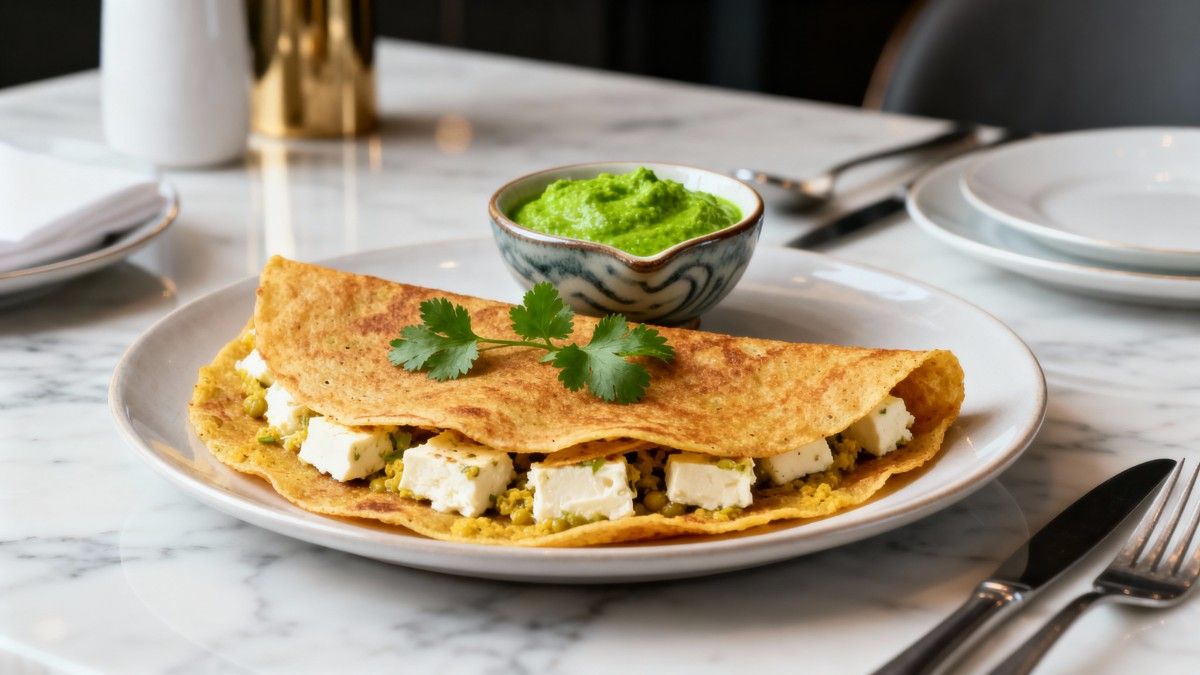
1. Moong Dal Cheela with Paneer or Tofu
Example batch: 100 g dry split moong dal, 100 g paneer or drained firm tofu, chopped onion and coriander, ginger, spices and a measured amount of cooking oil. These are batch ingredients, not the amount in one cheela.
Preparation: soak the dal as directed for your recipe, drain and blend with fresh water to a spreadable batter. Mix the crumbled filling separately. Cook thin cheela on a suitable pan, add the filling and cook through. Note the number of cheela made and how many you serve, rather than treating the whole batch as one portion.
Adapt it: use tofu when avoiding dairy, if soya is suitable for you. Add cooked vegetables to the filling or serve vegetables alongside. Keep a note of the paneer or tofu brand if you later calculate protein.
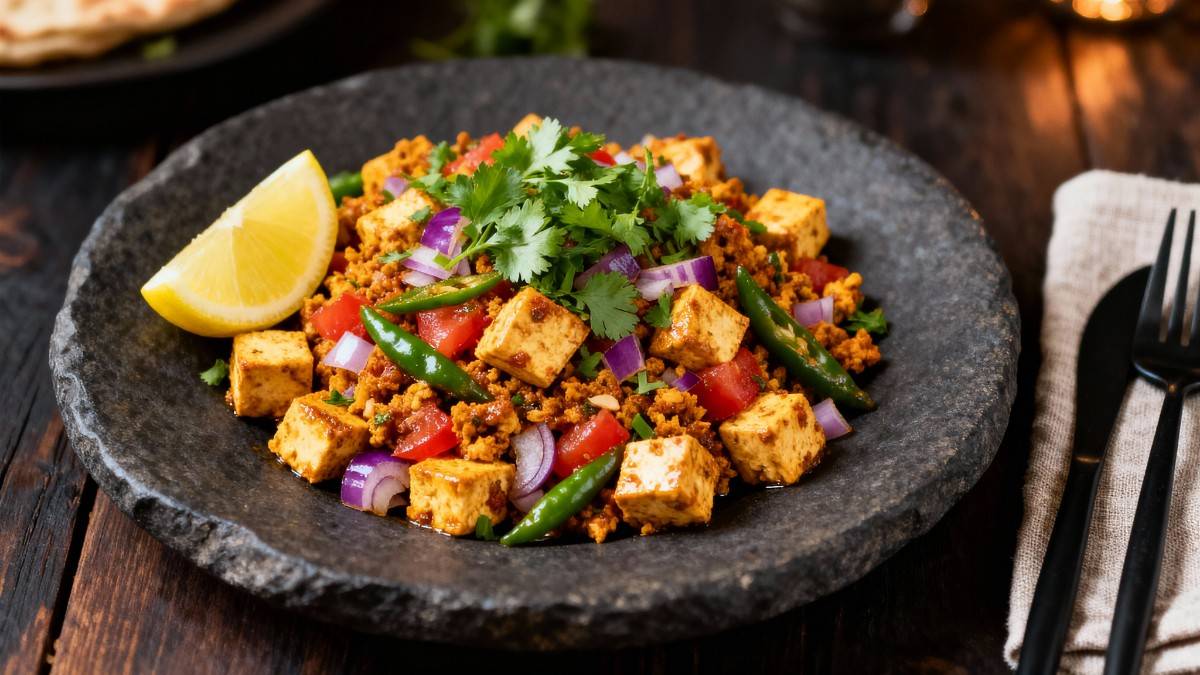
2. Tofu Bhurji with Roti or Toast
Example starting plate: 100 g drained firm tofu, chopped onion and tomato, spices, a measured amount of oil, and a roti or slice of toast sized for your own meal.
Preparation: soften the onion and tomato, add spices and crumbled tofu, and cook according to the tofu label or your established recipe. Serve with your chosen grain food. If cooking a 200 g tofu pack for two people, record the division before comparing portions.
Adapt it: paneer can replace tofu when dairy is suitable. The substitution changes the nutritional calculation: use the new product’s label and the weight actually added.
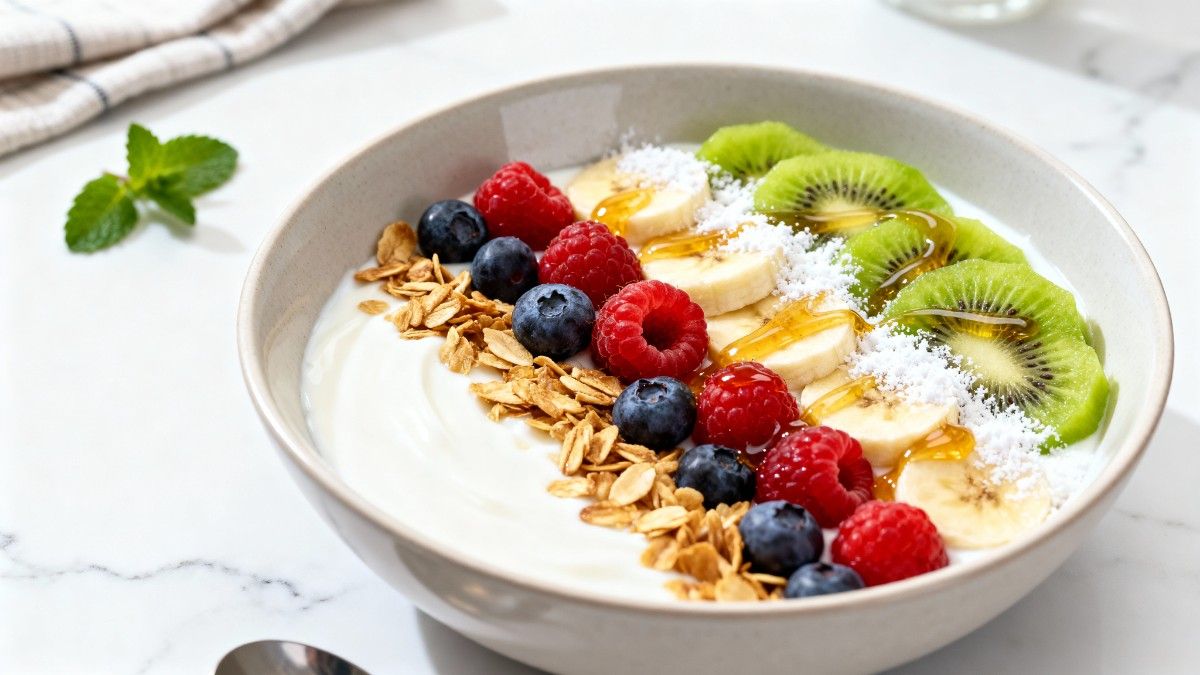
3. Plain Yoghurt or Curd Bowl
Example starting bowl: 150 g plain yoghurt or curd, chopped seasonal fruit, 20 g oats and a small measured topping such as 10 g seeds or chopped nuts.
Preparation: spoon the yoghurt into a bowl, add the fruit, oats and topping, and mix. Keep the yoghurt chilled until serving. Choose the fruit you can buy regularly; berries are optional.
Adapt it: a suitable fortified soya yoghurt can be used when avoiding dairy. Check its label, because plant products vary. Protein powder is optional rather than a requirement; if you use it, follow the product instructions and include it in the ingredient calculation. Whey is milk-derived and does not suit a vegan or milk-free version.
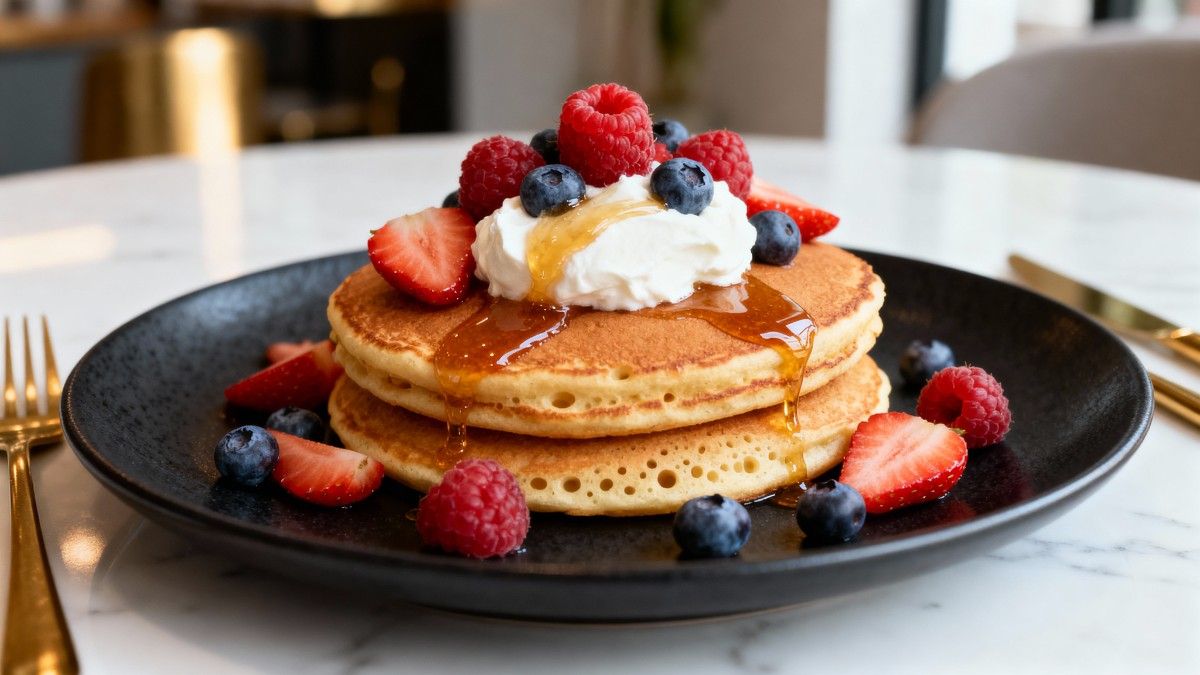
4. Oat and Banana Pancakes with a Curd Side
Ingredient example to adapt: 40 g oats, one small banana, milk or a suitable alternative added gradually, and a separate 100 g portion of plain curd or suitable soya yoghurt.
Preparation: use a trusted oat-pancake recipe for the flour, liquid and cooking method. Blend or grind the oats as that recipe directs. Add liquid gradually rather than assuming that a full cup will produce a workable batter. Cook small pancakes through and serve with the curd side.
Adapt it: cinnamon or chopped fruit can change the flavour. If you add nuts, syrup or protein powder, record the added amount. The curd side is a separate ingredient; the word pancake alone says little about the meal’s protein.
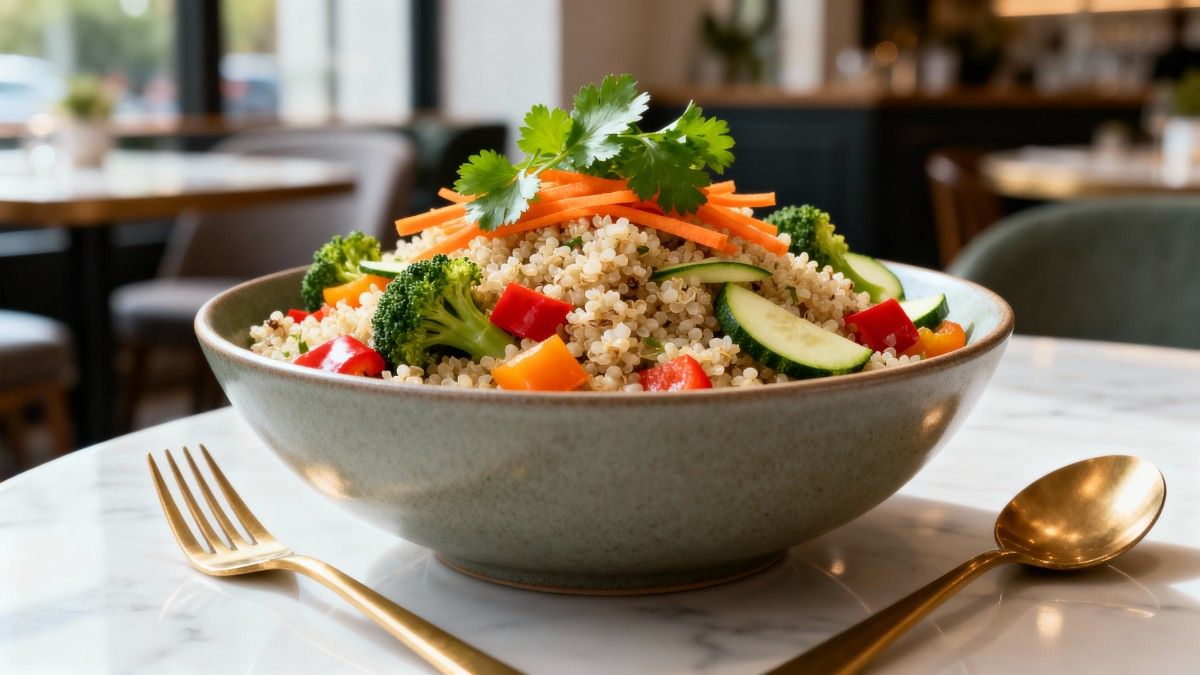
5. Vegetable Quinoa with a Protein-Food Pairing
Example starting bowl: 100 g cooked quinoa, 75 g cooked and drained chickpeas or 75 g drained firm tofu, plus cooked vegetables and a measured amount of oil or dressing.
Preparation: cook quinoa according to its packet directions, or use a safely stored portion. Combine it with the chickpeas or tofu and cooked vegetables. Use ready-to-eat chickpeas as directed on the pack; cook dried chickpeas fully before adding them.
Adapt it: use a familiar cooked grain instead of quinoa and keep the chickpeas or tofu as an identifiable part of the bowl. Do not compare 100 g dry grain with 100 g cooked grain: added water changes the weight and therefore any per-100-g comparison.
Make-Ahead Planning and Safe Storage

Pick two breakfasts for the next few days rather than preparing every option at once. Write the quantities on a short shopping list, set aside the bowl or container you will use, and label prepared portions with the food and preparation date. Our meal-prep workflow can help organise the wider week.
For cooked leftovers, the Food Standards Agency’s chilling guidance advises dividing food into smaller containers, cooling it and refrigerating it within one to two hours, keeping the fridge between 0 and 5°C, and eating refrigerated leftovers within 48 hours or freezing them. Follow any shorter use-by or storage instruction on a product.
Its cooking guidance says to reheat leftovers only once and make sure they are steaming hot throughout. Do not assume that raw batter has the same storage life as a cooked dish; follow the recipe and ingredient instructions.
You can also explore our Indian festive-sweets ideas for a different eating occasion.
How to Compare Portions and Protein Labels
For a repeatable estimate, make a short ingredient record: food or brand, weight used, whether that weight is dry, cooked or drained, and the number of portions served.
- Use the protein value for the same food and preparation state. A dry-lentil value cannot be applied directly to the same weight of cooked lentils.
- For a label stated per 100 g, multiply that protein value by the grams used and divide by 100. Use millilitres with a per-100-ml label.
- Add the ingredient estimates, then divide by the actual portions. Include a side dish or drink if it is part of the meal.
Arithmetic example only: if an imaginary product label lists 8 g protein per 100 g, a 150 g portion gives 8 × 150 ÷ 100 = 12 g. This is a demonstration, not a measured value for curd, tofu or any recipe above. Labels and food-composition estimates are not laboratory analysis of your finished plate.