Hypothyroidism Food and Medication Questions

9 Foods to Avoid with Hypothyroidism. If you’re dealing with hypothyroidism and still feeling tired, bloated, or stuck with stubborn weight, your diet might be secretly holding you back. I’m Mohit Verma, professional diet coach and founder of Fit with Mohit, and after working with hundreds of thyroid clients, I’ve learned that avoiding the wrong foods can be more powerful than just adding the right ones.
In this blog, let’s uncover the 9 foods to avoid with hypothyroidism, why they matter, and how swapping them out can help you finally feel like yourself again.
🔗 Need a Full Thyroid Diet Plan? Start Here
Avoiding harmful foods is just one piece of the puzzle. For better results, you need a complete thyroid diet plan that includes the right foods, correct meal timing, and balanced macros based on your body type and medication.
👉 Check out my complete Thyroid Diet Plan Guide
Inside, you’ll learn:
What to eat to support your thyroid naturally
Sample diet chart (vegetarian/non-vegetarian)
Meal combinations that actually help with weight loss
Lifestyle and supplement tips I use with my real clients
Nine Food and Medication Questions
Hypothyroidism Food and Medication Questions
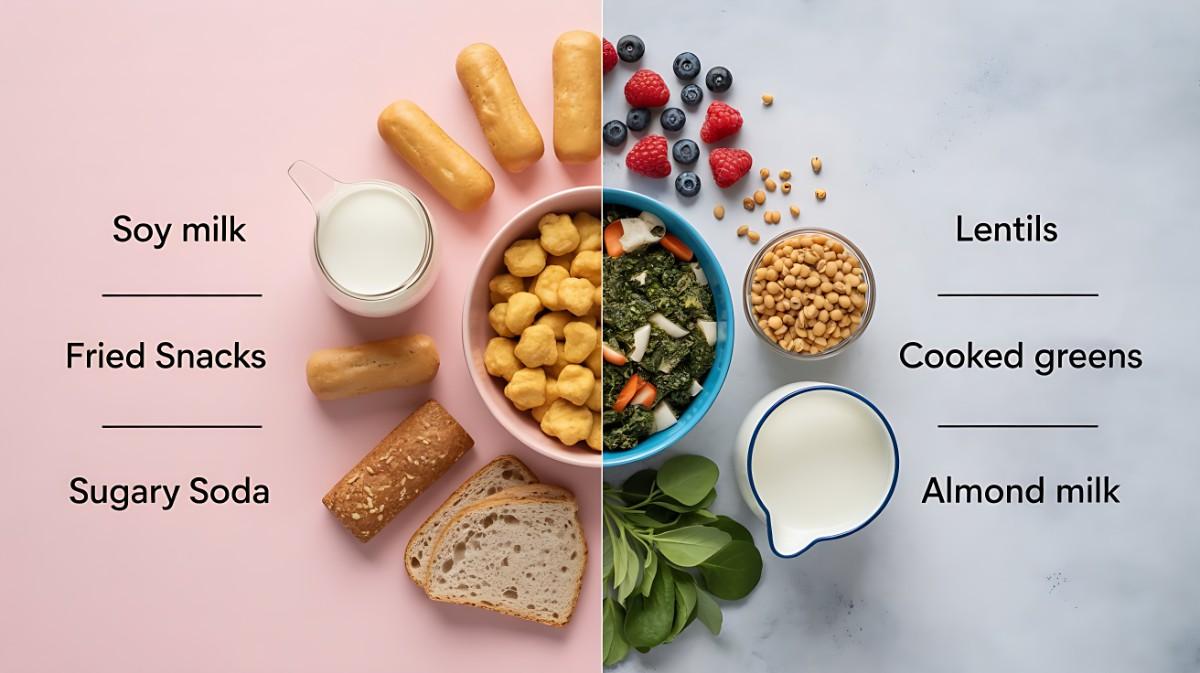
1. Soy & Soy-Based Products
Soy can affect levothyroxine absorption when taken too close to a dose. Ask your prescriber about timing and keep your intake consistent; avoid treating all soy foods as harmful to the thyroid.
✅ Optional alternative: Almond milk, coconut milk, or lentils.
2. Raw Cruciferous Vegetables
You do not usually need to exclude ordinary portions of cabbage, broccoli or cauliflower. Very large amounts and individual circumstances may need attention; a varied diet is more useful than a blanket ban.
✅ Preparation option: Steam or lightly cook them to deactivate the goitrogens.
3. Gluten
A gluten-free diet is not automatically required for everyone with Hashimoto’s disease. If coeliac disease or another gluten-related disorder is suspected, seek assessment before changing your diet.
✅ If gluten-free foods are needed: Gluten-free grains like rice, buckwheat, or millet.
4. Fried & Fatty Foods
Limit frequent heavily fried foods as part of a balanced eating pattern. Do not assume they directly block thyroid hormone production or replace prescribed treatment by avoiding them.
✅ Switch to: Grilled or air-fried food with olive oil or ghee.
5. Excess Sugar
Consider the amount of added sugar in your overall diet. Persistent fatigue or brain fog should not be attributed to sugar alone; discuss ongoing symptoms with your clinician.
✅ Replace with: Fruits like berries, jaggery (sparingly), or dates.
6. Processed Packaged Foods
Packaged foods vary. Compare labels for nutritional quality and suitability instead of assuming all packaged foods are harmful. Gluten avoidance is relevant when a diagnosed condition requires it.
✅ Go for: Whole, unprocessed meals cooked at home.
7. Excess Caffeine
Caffeine doesn’t directly harm your thyroid, but it does reduce how well your thyroid medication gets absorbed if taken too close. It can also make anxiety, irritability, and insomnia worse.
✅ Pro tip: For levothyroxine, follow the timing advised for your formulation and discuss coffee with your pharmacist; do not apply one rule to every thyroid medicine.
8. Alcohol
Ask your care team about alcohol if it affects your symptoms, medicines or health. Avoid using alcohol-related claims as an explanation for every thyroid symptom.
✅ Limit to: Rare occasions or avoid altogether.
9. Strawberries, Peaches & Pears (Raw & Excessive)
There is no routine need to remove strawberries, peaches or pears solely because of hypothyroidism. Include a variety of fruits in portions suited to your overall needs.
✅ Other fruit choices: Blueberries, apples, and papaya in moderation.
✅ What Foods to Avoid with Hypothyroidism Medication?
If you take levothyroxine, follow your prescription instructions. Tablets are commonly taken with water on an empty stomach before breakfast. Calcium and iron supplements generally need at least a four-hour separation. Ask your pharmacist about coffee, soy, other medicines and the formulation you use. Do not change or stop treatment yourself.
📌 Why Avoiding These Foods Actually Works

Dietary needs differ. Balanced eating can support general health, but food exclusions do not cure hypothyroidism or guarantee symptom or weight changes. Ongoing symptoms need review of treatment and other possible causes with your clinician.
Sources and important note
General information; individual medical advice should come from your healthcare team.
🔗 Connect With Me for Daily Thyroid & Diet Tips
Want more practical tips, behind-the-scenes client results, healthy recipes, and real-time updates?
📲 Follow me on Instagram:
👉 @kmohitvermaa
👉 @fitwithmohit.ig
🎥 Watch full video tips, diet breakdowns, and thyroid-friendly recipes on YouTube:
👉 Subscribe to Eating with Mohit