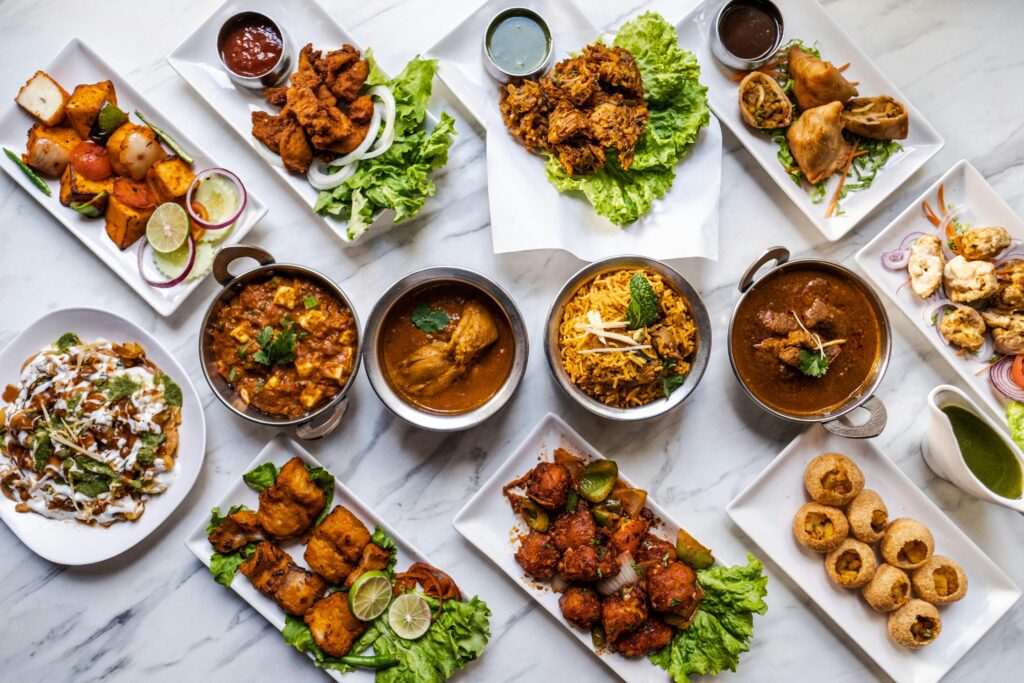
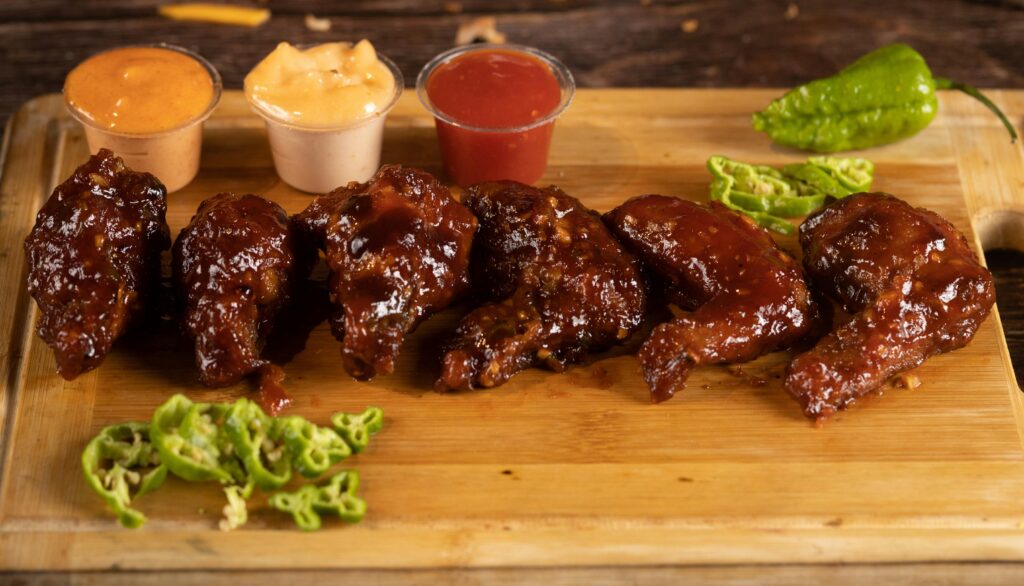
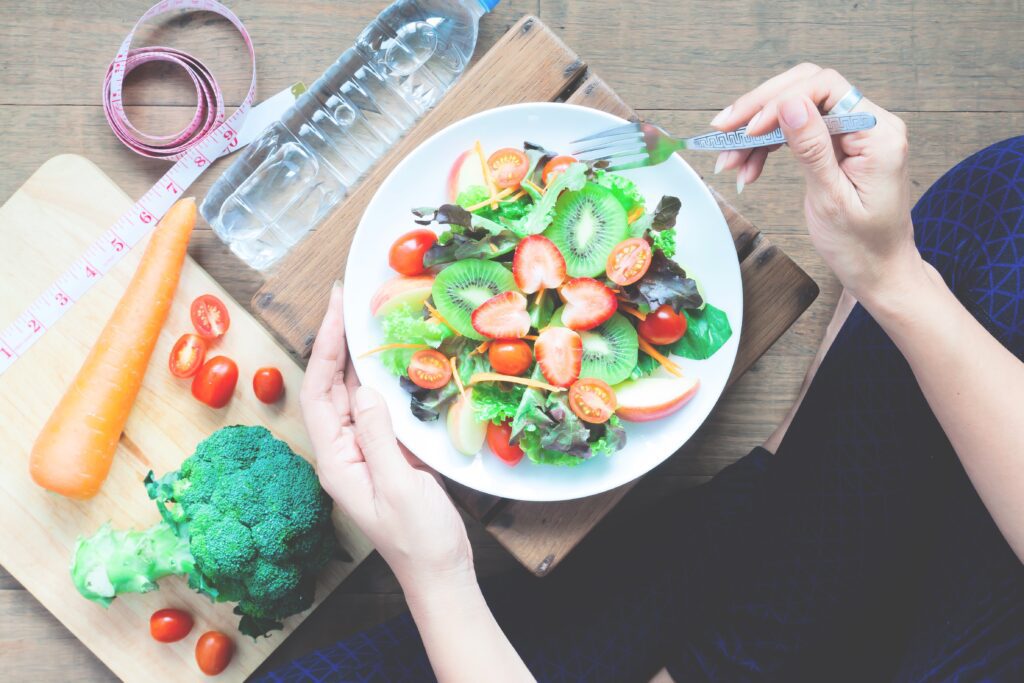
There is no best single meal that can that can provide you with all the nutrients. Which make you lose weight. However avoiding Processed Foods and eating a Balanced Diet which consists of all Macronutrients. Like Protein, Carbohydrates, and Fats along with Micronutrients such as Vitamins, Minerals, is recommended. Food items which consist of Simple Carbohydrates, often high in Sugar and which lacks Fiber. They can contribute to Weight Gain due to their rapid digestion and blood sugar spikes, leading to potential overeating. Use the following examples as a starting point for organising meals, with quantities adapted to your own needs.
Start with the food you already cook. Across the day or week, include a range of vegetables and fruit, starchy foods, protein foods, and dairy or suitable alternatives. The NHS Eatwell Guide describes this overall balance; it does not require every meal to have identical proportions.
These are ingredient combinations, not a calorie-counted prescription or a promise of weight loss. Choose ingredients for your dietary preferences, allergies and any advice you have received for a medical condition.
The NHS food-label guide explains that a manufacturer’s stated portion can differ from yours. These recording steps help describe a meal; they do not decide your personal energy or nutrient needs.

Protein foods are one part of an overall eating pattern. The NHS vegetarian diet guide recommends a variety of protein sources. Different protein foods can contribute to meals in different ways; compare their ingredients, preparation and serving size. A fixed percentage is not an individual protein prescription. These food examples do not promise faster weight loss than another eating plan.
Most of the Indians fail to meet their daily protein requirements which is the biggest problem. Indian diet plans lacks protein sources as its mostly loaded with simple carbohydrates. As proteins are essential to help the body build and repair tissue, muscles, cartilage. It also helps for skin and better blood flow. So include protein in your Indian Diet Chart for Weight Loss. High protein diet includes fish, chicken, lentils, eggs, tofu, low fat paneer, chickpeas, sprouts, milk, lean meat, Greek yogurts etc. Having one helping of protein with every meal is essential.
For a food-by-food comparison with stated preparation states and weights, see our vegetarian protein foods guide.
For an additional menu example, see our simple Indian meal-plan guide.
Carbohydrates are the body’s main source of energy. But most importantly choosing the right types of carbs sources is a smart way to lose weight. Individual requirements and circumstances matter when deciding meal quantities. Rice and roti can be part of a varied eating pattern. Consider higher-fibre or wholegrain options you enjoy, while also looking at the rest of the meal. Like quinoa, multigrain rotis, oats, sweet potatoes, berries, brown rice. A ketogenic diet is a specific dietary approach, not a requirement for using the meal examples in this article.
This Ketogenic Diet promotes the process of Ketosis. In which the body uses fat as the primary source of energy rather than carbs. But you need to be aware of the fact that fat has 9 calories per gram. Which is the highest among all the three macronutrients. So its important to check the calorie intake when you follow the Indian Diet Chart for Weight Loss. High-fat, low carb foods include – seafood, avocados, low-carb dairy products, eggs, oils (coconut, olive), nuts and seeds.

The DASH DIET which stands for Dietary Approaches to Stop Hypertension. It is a healthy eating Diet plan aims to help lower the Blood Pressure levels. Dash diet mainly focuses on avoiding processed foods which are high in saturated fats and added sugars. This means limiting the the consumption of fast food meals or sugary drinks like soda and aerated drinks. The NHLBI DASH eating-plan guidance describes a flexible eating pattern and serving amounts based on individual calorie needs. The dash diet includes to truly focus on fruits, vegetables, and whole grains. Dash diet limits foods which are high in sodium, fatty meats, and full – fat dairy products. Food guidance does not replace prescribed blood-pressure treatment. Discuss treatment and medicine changes with your healthcare professional; the NHS high-blood-pressure guide explains when medicines may be needed.

Weight loss this words seems like an impossible task to do, but in actual life its the opposite. All you need to do is start eating the right food. This can feel like an insurmountable challenge, given our food culture of Indian diet plan and dietary habits. For instance, a typical Indian meal is high in carbohydrates and sugar. We eat a lot of potatoes, rice, and sweets. In India people love to eat snacks on regular intervals which causes calorie surplus and start to gain weight. One in every four people in India are obese. Which increases risk of diabetes, liver diseases, arteries blockage due to high cholesterol, and even cancer.
Weight loss and gain depends upon many factors such as your calorie intake, stress levels. Hormone levels, sleep cycle, eating habits, calorie surplus. So the basic science says you lose weight when you consume fewer calories. Than you spend and gain weight when you consume more calories than you lose. To drop those extra kilos, all you need to do is eat within your calorie budget. So that you burn the required number of calories. To lose weight sustainably you need to have the Indian diet plan for weight loss. You are following is a complete balanced meal plan which covers all the right amount of macronutrients and micronutrients.
If you want to lose your body weight then you need to burn more calories. Than you eat in a day, Which will make you in a calorie deficit condition. So you need to maintain this till the time you reach your weight loss goal. The type of calories also makes a difference. The best way to lose weight is to have a well-balanced diet adapted to your requirements.
NIDDK’s eating and physical-activity guidance emphasises sustainable habits, realistic goals and support. The examples here do not set an individual calorie target. For preparation ideas, see our Indian meal-prep workflow and storage guidance.
The weight loss diet chart encourages us to focus more on high protein diet, fruits, vegetables, with lower calories. A diet plan should include all macro and major micronutrients in order to fulfil the body’s requirements. However be sure that you should avoid processed foods, sugary drinks, and fast food. While you are on a weight loss program. Moreover also avoid refined carbohydrates and try to add more fiber in your meals as possible. Following this healthy diet chart for weight loss can help you to shred unwanted weight from your body. Remember, all bodies are different and have varying needs. Thus what may suit one or work for someone may not be the same for the other. Although the Indian diet chart for weight loss for females and males is nearly the same. The examples do not establish a universal protein amount for either men or women.
This article provides general nutrition information and does not replace individual medical advice. For support adapting everyday meals to your routine, explore our personalised weight loss diet plans.