
Vitamin D Rich Foods Vegetarian
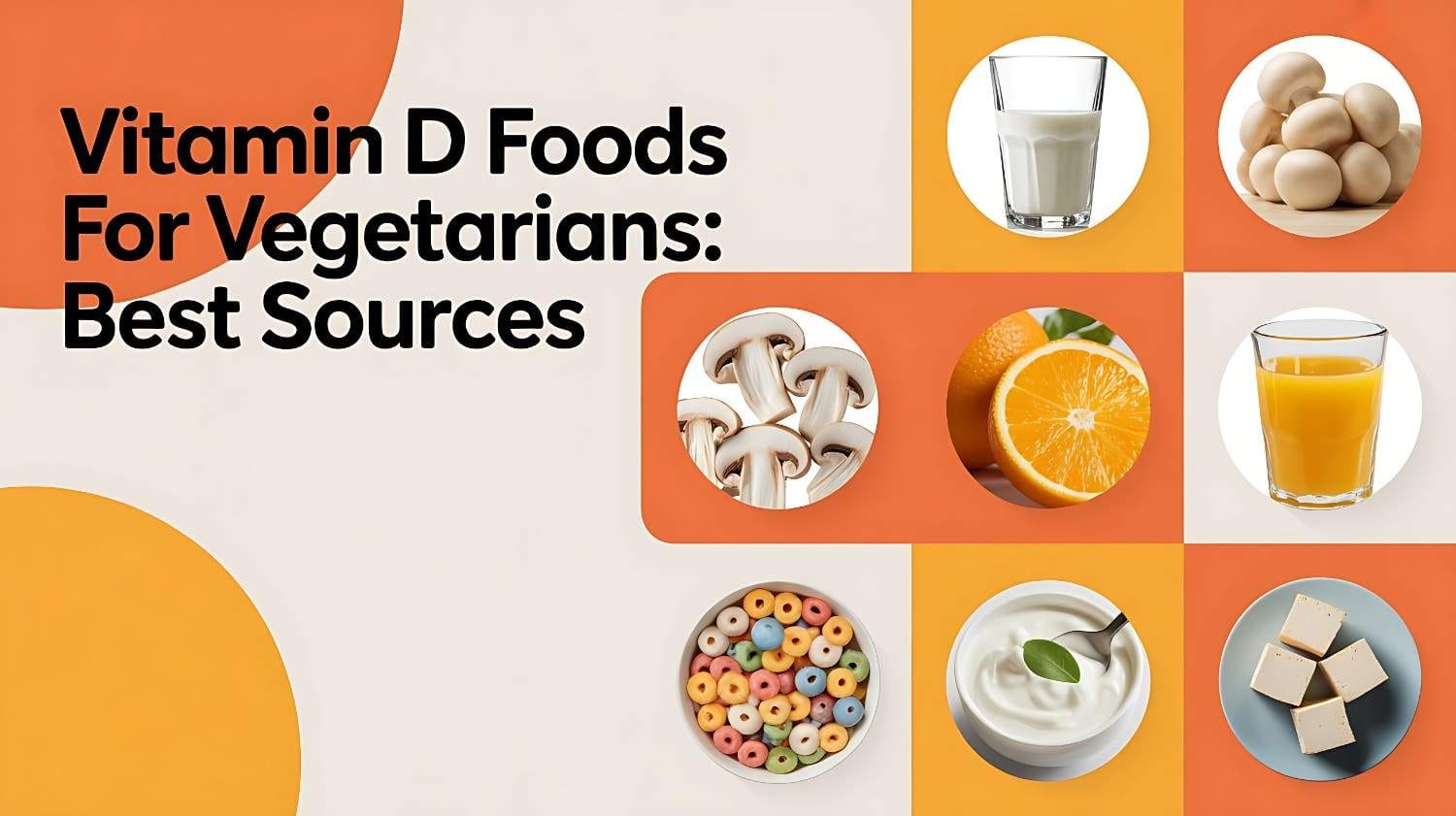
vitamin d rich foods vegetarian, Vitamin D, known as the “sunshine vitamin,” is essential for strong bones, better immunity, improved mood, and overall wellness. Although sunlight is the most natural source, many people—especially vegetarians—often fall short of their daily Vitamin D requirements. Because plant-based diets offer limited natural sources, choosing the best vitamin D rich foods vegetarian is key to maintaining good health.
This guide explains the top vegetarian Vitamin D sources, recommended intake, absorption tips, and the best ways to maintain optimal levels throughout the year.
Why vitamin D-rich foods vegetarian are required
Vegetarians often face difficulty meeting Vitamin D needs due to fewer food sources. This nutrient supports calcium absorption, boosts immunity, enhances muscle strength, and stabilizes mood. Low Vitamin D may lead to weak bones, fatigue, hormonal imbalance, hair fall, and poor immunity. Therefore, including vitamin D rich foods vegetarian in daily meals becomes crucial for long-term health. vitamin d rich foods vegetarian.
Daily Recommended Vitamin D Intake
Health experts suggest:
Children & Adults (1–70 yrs): 600 IU/day
Adults 70+ yrs: 800 IU/day
Pregnant & Lactating Women: 600 IU/day
Vegetarians should maintain these levels with the help of fortified foods, sunlight, and supplements when needed. vitamin d rich foods vegetarian.
Top Vitamin D Rich Foods Vegetarian Should Eat
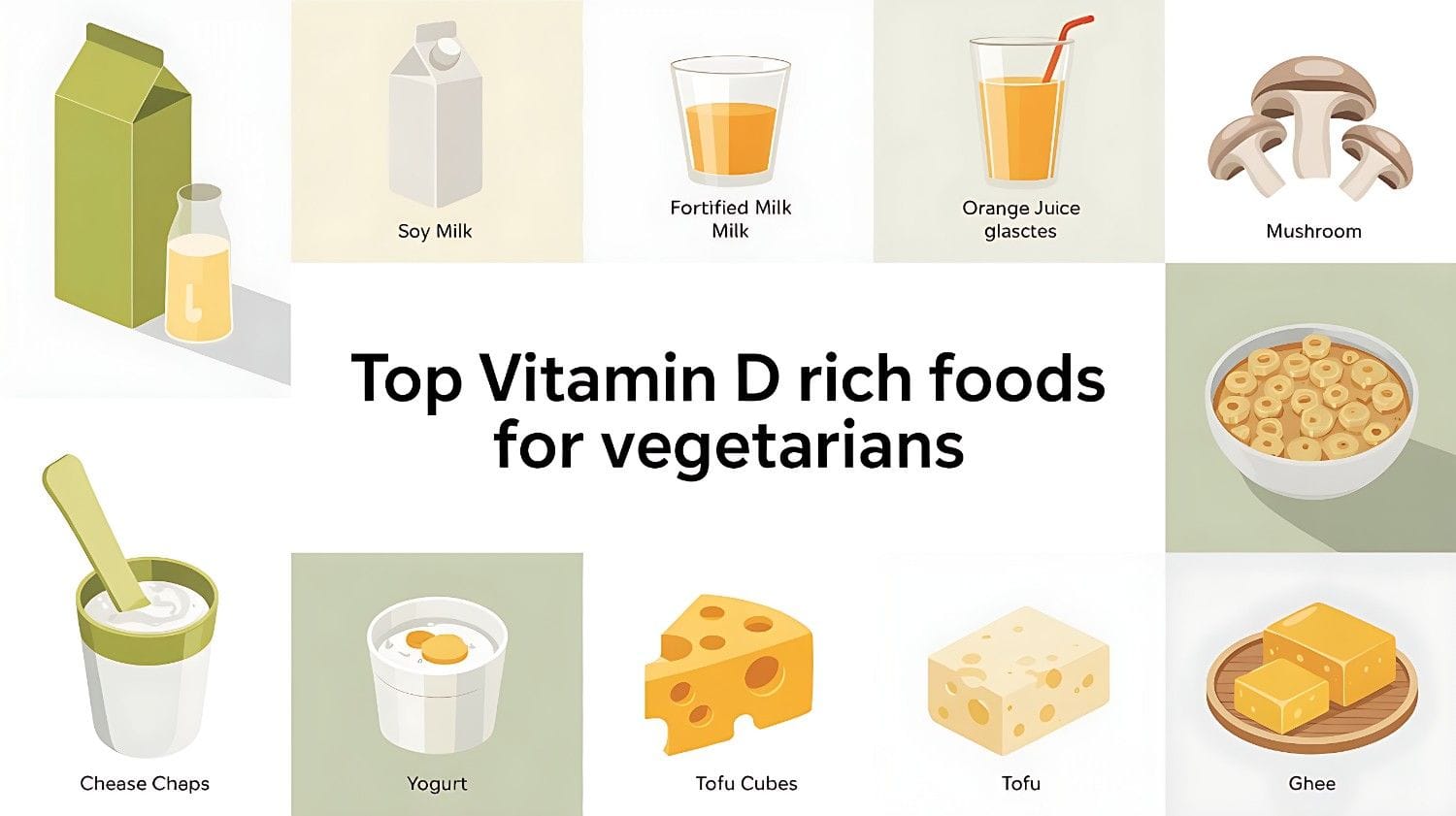
Here are the most effective vegetarian sources to help you meet daily Vitamin D needs easily. vitamin d rich foods vegetarian.
1. Fortified Milk and Plant-Based Alternatives
Fortified cow’s milk and plant-based options like soy, almond, and oat milk are excellent vegetarian-friendly Vitamin D sources. They usually offer 100–120 IU per cup. These drinks strengthen bones, are affordable, and fit into daily diets. Adding such fortified beverages is one of the easiest ways to boost Vitamin D.
2. Fortified Cereals and Oats
Many breakfast cereals and oats come enriched with Vitamin D. They provide 40–100 IU per serving, making them a convenient daily choice. Pair fortified cereals with fortified milk to double the benefits. This combination is ideal for busy adults and growing children.
3. Fortified Orange Juice
Vitamin D-fortified orange juice contains about 100 IU per glass. It is refreshing, nutritious, and suitable for vegans or those avoiding dairy. Rich in Vitamin C, it also supports the immune system while improving overall nutrient intake.
4. Sunlight-Exposed Mushrooms
Mushrooms exposed to sunlight, such as shiitake, maitake, and portobello, are among the only natural plant-based Vitamin D sources. They offer up to 400 IU per 100g, making them a powerful option. Their Vitamin D2 content helps increase blood levels effectively.
5. Cheese
Cheddar, Swiss, and parmesan cheese provide 10–20 IU per serving. Although the amount is small, cheese combines well with everyday meals. It also supplies protein and calcium while supporting overall health.
6. Fortified Curd/Yogurt
Fortified curd or yogurt offers 80–100 IU per serving. It boosts gut health, supports digestion, and fits easily into snacks, smoothies, and meals. Choose unsweetened varieties for maximum benefits.
7. Butter and Ghee
Butter and ghee contain 15–20 IU per tablespoon. While not very high in Vitamin D, they support better Vitamin D absorption because of their healthy fats. Use them moderately to complement your diet.
8. Fortified Tofu
Fortified tofu is a great vegan-friendly source containing around 100 IU per 100g. It is rich in protein, easy to cook, and works well in Indian dishes. Including tofu can support muscle function and overall wellness.
Vitamin D Rich Indian Foods Vegetarian Can Include
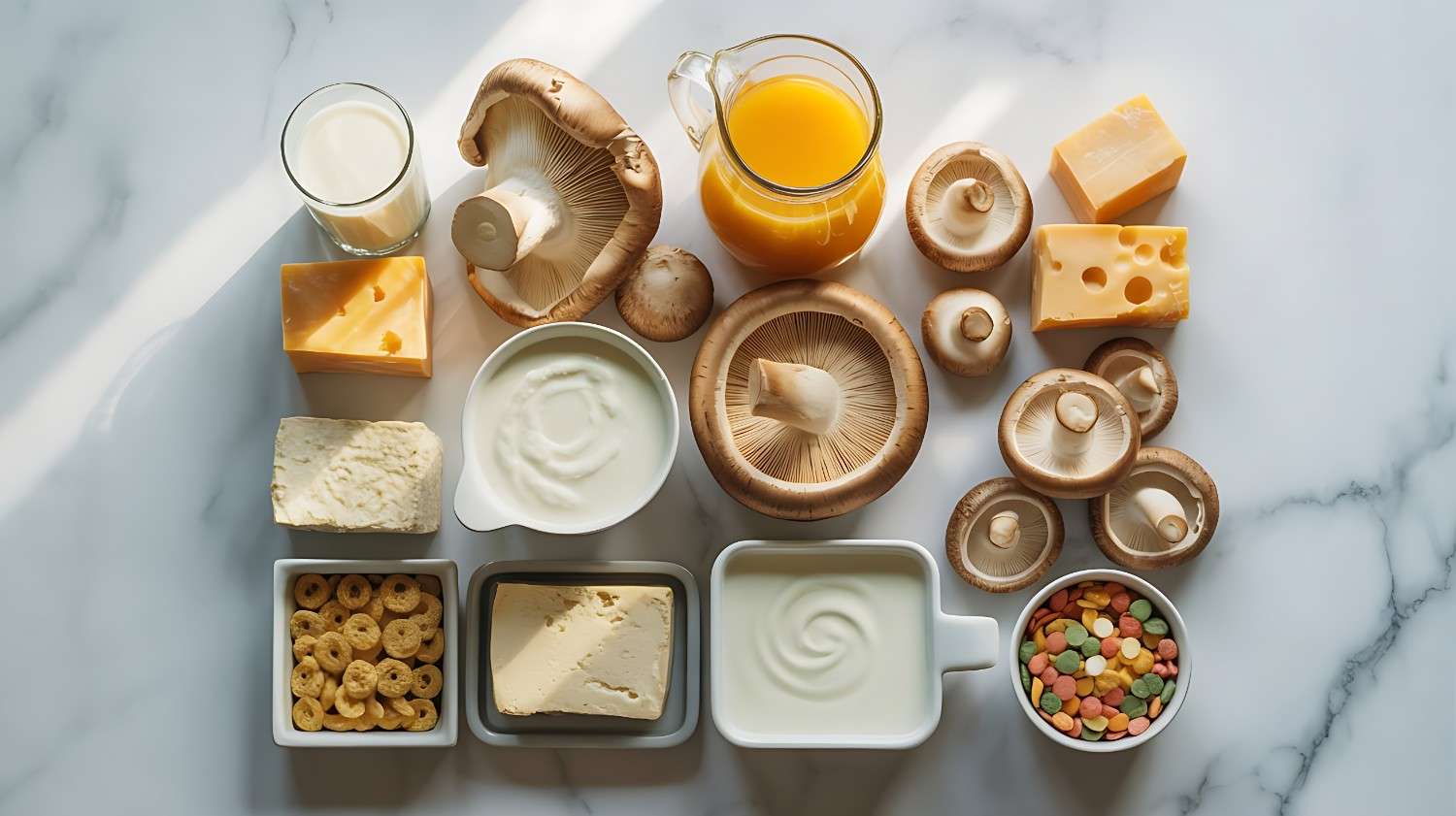
vitamin d rich foods vegetarian. Despite abundant sunlight, Vitamin D deficiency is common in India due to indoor lifestyles. Some easy Indian options include:
Sun-exposed mushrooms
Fortified dairy products
Paneer made with fortified milk
Fortified curd
Traditional ghee
A mix of these foods supports better Vitamin D levels naturally.
How to Improve Vitamin D Absorption Naturally
vitamin d rich foods vegetarian. Even if you consume vitamin D rich foods vegetarian, absorption is vital.
Enjoy 15–20 minutes of sunlight daily.
Pair Vitamin D foods with healthy fats like nuts, seeds, and ghee.
Maintain good gut health with probiotics.
Avoid heavy sunscreen during early-morning sunlight exposure.
Check your Vitamin D levels every 6 months.
Common Signs of Vitamin D Deficiency
Vegetarians may notice:
Fatigue
Low immunity
Muscle weakness
Joint or bone pain
Hair fall
Mood swings
If these symptoms appear often, consider modifying your diet or consulting a healthcare provider.
Should Vegetarians Take Supplements?
Supplements are helpful when food and sunlight are not enough. They are useful for people with limited outdoor exposure, strict vegan diets, or severe deficiency. Always consult a professional before starting Vitamin D supplements.
Conclusion
Finding the best vitamin d rich foods vegetarian may seem challenging at first. However, with the right mix of fortified foods, sunlight, and smart nutrition, meeting daily Vitamin D needs becomes effortless. Add these nutrient-dense foods to your meals, monitor your levels regularly, and maintain a balanced lifestyle. Consistent efforts will help support immunity, bone strength, and long-term health.
For more helpful guidance on improving your health and nutrition, you can also read my detailed guide on How to Lose Fat and Gain Muscle. It explains practical, beginner-friendly steps for sustainable body transformation.
If you want a structured eating plan personalized for your goals, check out my ₹99 Weight Loss Diet Plan here:
👉 https://fitwithmohit.com/99rs-diet-plan/
This plan is designed to help you lose weight naturally using simple Indian home food.
For more science-backed information on Vitamin D, you can also explore this resource from Healthline:
👉 https://www.healthline.com/nutrition/vitamin-d-foods