High Protein Vegetarian Foods List
In today’s fast-paced lifestyle, one of the most common questions people ask is: How can I get High Protein Vegetarian Foods List?
This is where a well-structured high protein vegetarian foods list becomes essential—not just for fitness enthusiasts, but for anyone aiming to lose fat, build lean muscle, or simply stay healthy.
As a professional dietitian and fitness coach, I, Mohit Verma (Founder of Fit with Mohit), have worked with hundreds of clients across India and globally. One thing is clear:
👉 Most people are not overweight because they eat too much…
👉 They are overweight because they eat low-protein, high-calorie diets.
This guide will give you a complete, practical, and scientifically accurate high protein vegetarian foods list, along with real strategies that actually work.
Why Protein is the Foundation of Fat Loss
High Protein Vegetarian Foods List
Before diving into the high protein vegetarian foods list, it’s important to understand why protein plays such a powerful role in body transformation.
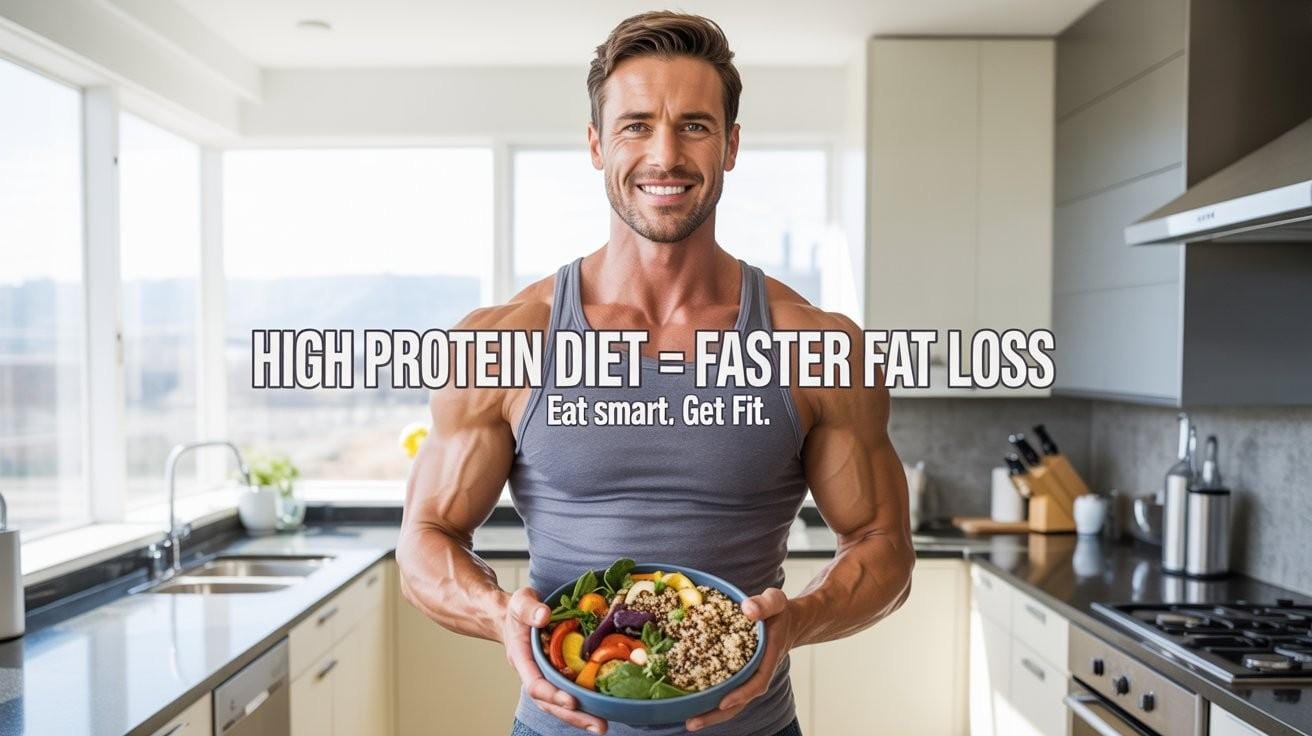
Protein is not just another nutrient—it directly impacts your metabolism, appetite, and body composition.
When your diet is rich in protein:
Your metabolism increases (thermic effect of food)
You feel fuller for longer periods
Cravings reduce naturally
Muscle mass is preserved during fat loss
This is exactly why every successful transformation program at Fit with Mohit is built around a high-protein diet structure.
👉 For a deeper understanding, you can also read:
https://fitwithmohit.com/how-to-lose-weight-fast/
High Protein Vegetarian Foods List
High Protein Vegetarian Foods List
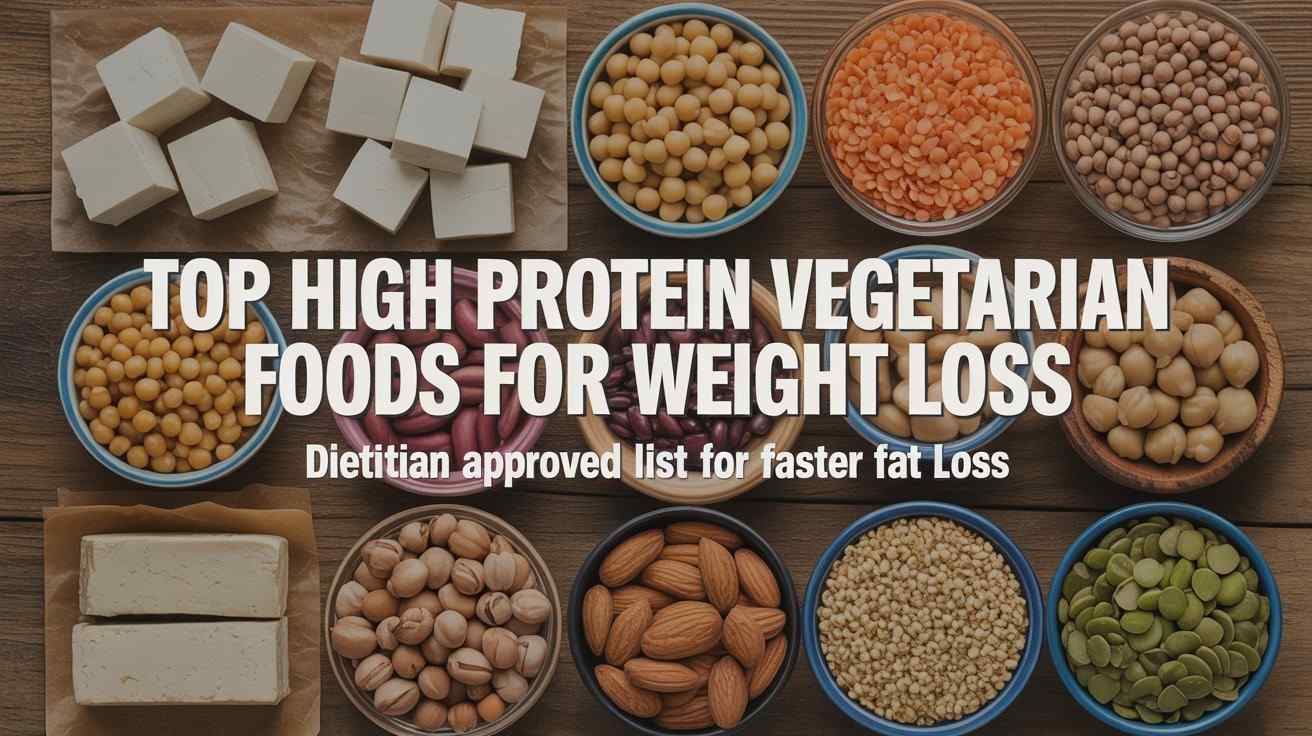
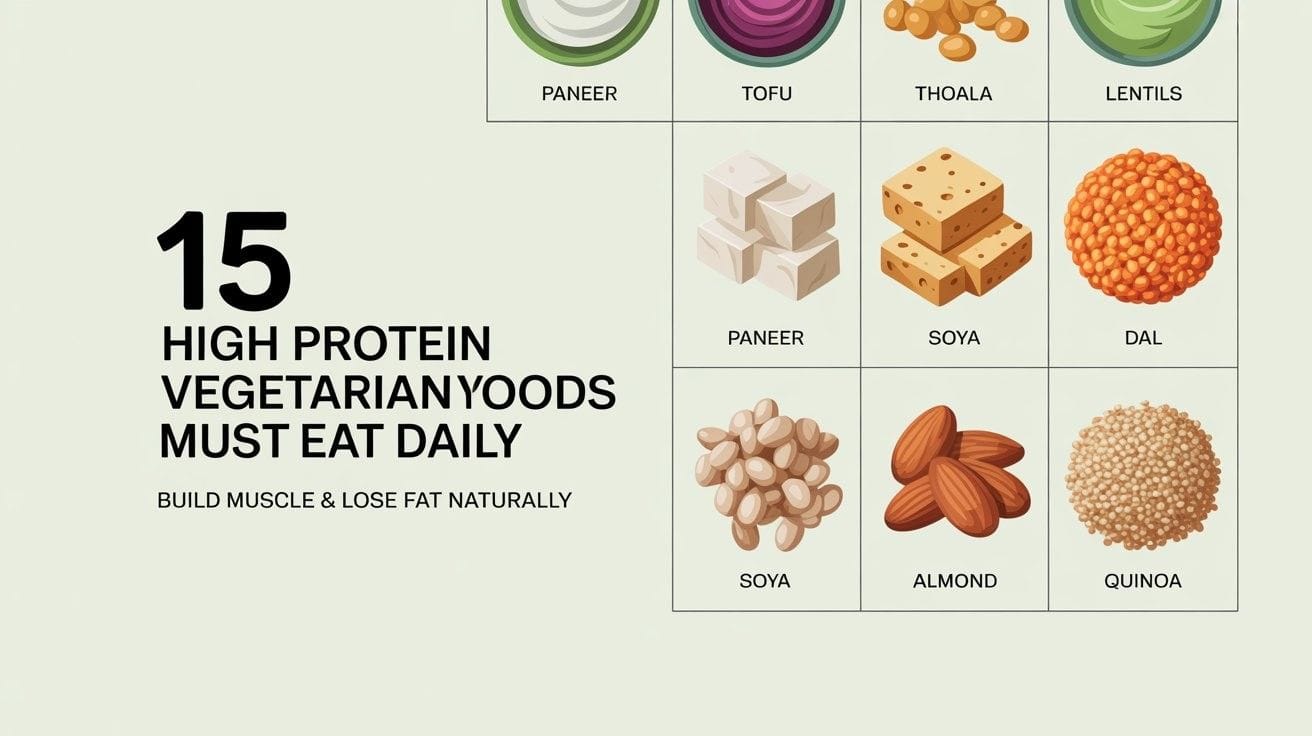
Now let’s explore the most effective and practical high protein vegetarian foods list that you can easily include in your daily diet.
Paneer (Cottage Cheese): The Indian Protein Powerhouse
Paneer is one of the most efficient protein sources available in a vegetarian diet.
It provides approximately 18 grams of protein per 100 grams and is rich in casein protein, which digests slowly and keeps you full for longer durations.
For fat loss clients, I often recommend paneer in dinner meals because it prevents late-night cravings and supports muscle recovery.
Soya Chunks: The Highest Vegetarian Protein Source
When it comes to the high protein vegetarian foods list, soya chunks stand at the top.
With more than 50 grams of protein per 100 grams, they are extremely powerful for both fat loss and muscle gain.
They are also cost-effective, making them ideal for students and working professionals.
Lentils (Dal): Everyday Nutrition with High Value
Dal is a staple in Indian households, yet most people underestimate its protein content.
A single serving of dal provides around 8–10 grams of protein along with fiber, which improves digestion and gut health.
When combined with roti or rice, it forms a complete protein meal.
Chickpeas (Chana): Perfect for Fat Loss Diets
Chickpeas are highly versatile and can be consumed as salads, curries, or roasted snacks.
They provide around 15 grams of protein per cup and are extremely filling, making them ideal for calorie control.
Greek Yogurt (Curd): Gut-Friendly Protein Source
Curd is not only rich in protein but also supports gut health through probiotics.
Including curd daily helps improve digestion, immunity, and overall nutrient absorption.
Whey Protein: The Most Efficient Supplement
For individuals who struggle to meet their protein requirements through food alone, whey protein becomes a highly effective solution.
It is fast-digesting and provides around 24 grams of protein per scoop, making it ideal post-workout.
At Fit with Mohit, whey protein is strategically included based on individual needs—not blindly recommended.
Tofu: A Lean Vegan Alternative
Tofu is an excellent low-calorie, high-protein option for those looking to reduce fat intake while maintaining protein levels.
It is especially useful for vegan clients.
Quinoa: A Complete Plant Protein
Unlike most plant-based foods, quinoa contains all essential amino acids, making it a complete protein source.
It is also rich in fiber, which supports weight loss.
Nuts and Seeds: Compact Protein + Healthy Fats
Foods like almonds, peanuts, and pumpkin seeds are dense in protein and healthy fats.
While they are highly nutritious, portion control is important due to their calorie content.
How to Build a High Protein Vegetarian Diet Plan
Knowing the high protein vegetarian foods list is not enough—you need to structure your meals properly.
A well-balanced day should look like this:
Breakfast: Oats + milk + nuts
Lunch: Dal + roti + paneer sabzi
Snack: Roasted chana or peanuts
Dinner: Tofu/paneer + vegetables
Post-workout: Whey protein
This structure ensures consistent protein intake throughout the day, which is critical for fat loss.
How Much Protein Do You Actually Need?
Protein requirements vary depending on your goal.
For fat loss: 1.2–1.6g per kg body weight
For muscle gain: 1.6–2g per kg
For example, if your weight is 80 kg, your daily protein intake should be around 100–130 grams.
Most people consume less than 50 grams, which is the main reason behind slow progress.
High Protein Vegetarian Foods List
Why Fit with Mohit Delivers Better Results
As a certified dietitian and fitness coach, I focus on creating realistic and sustainable diet plans, not temporary solutions.
At Fit with Mohit, every diet plan is:
Personalized according to your body type
Designed with Indian food preferences
Focused on long-term fat loss, not shortcuts
This is why clients consistently achieve 3–4 kg fat loss per month without extreme dieting.
Follow for More Expert Guidance
High Protein Vegetarian Foods List
Get Your Personalised Diet Plan
Personalised Weight Loss Program India
If you want a customised plan based on your lifestyle, metabolism, and goals:
 https://fitwithmohit.com/99rs-diet-plan/
Stay connected for daily fitness knowledge and real transformation strategies:
Instagram: https://www.instagram.com/fitwithmohit.ig/ YouTube: https://www.youtube.com/@eatingwithmohit
This high protein vegetarian foods list is not just a collection of foods—it is a complete roadmap to transforming your health.
The key is consistency, balance, and the right guidance.
If you apply these principles correctly, you will not only lose fat but also build a stronger, healthier body.