PCOS Diet Chart for Weight Loss
Tired of fighting your body with every meal? Struggling with unpredictable cycles, sudden weight gain, or stubborn belly fat that just won’t go away? If yes, you might be dealing with PCOS. And the game-changer? A well-structured PCOS diet chart for weight loss.
Did you know that Polycystic Ovary Syndrome (PCOS) affects nearly 1 in 10 women of childbearing age? That’s millions of women worldwide dealing with the challenges of managing PCOS condition every day.
PCOS and PCOD are hormonal disorders where the ovaries produce higher-than-normal amounts of male hormones. This imbalance can lead to many issues in the body. So, it is important to manage PCOS and PCOD. The good news is that it is possible to manage it by making small but significant lifestyle adjustments.
This guide shares general meal ideas and lifestyle information. It does not diagnose PCOS, promise hormone changes or replace individual care.
What Is PCOS and Why Does It Mess With Everything?
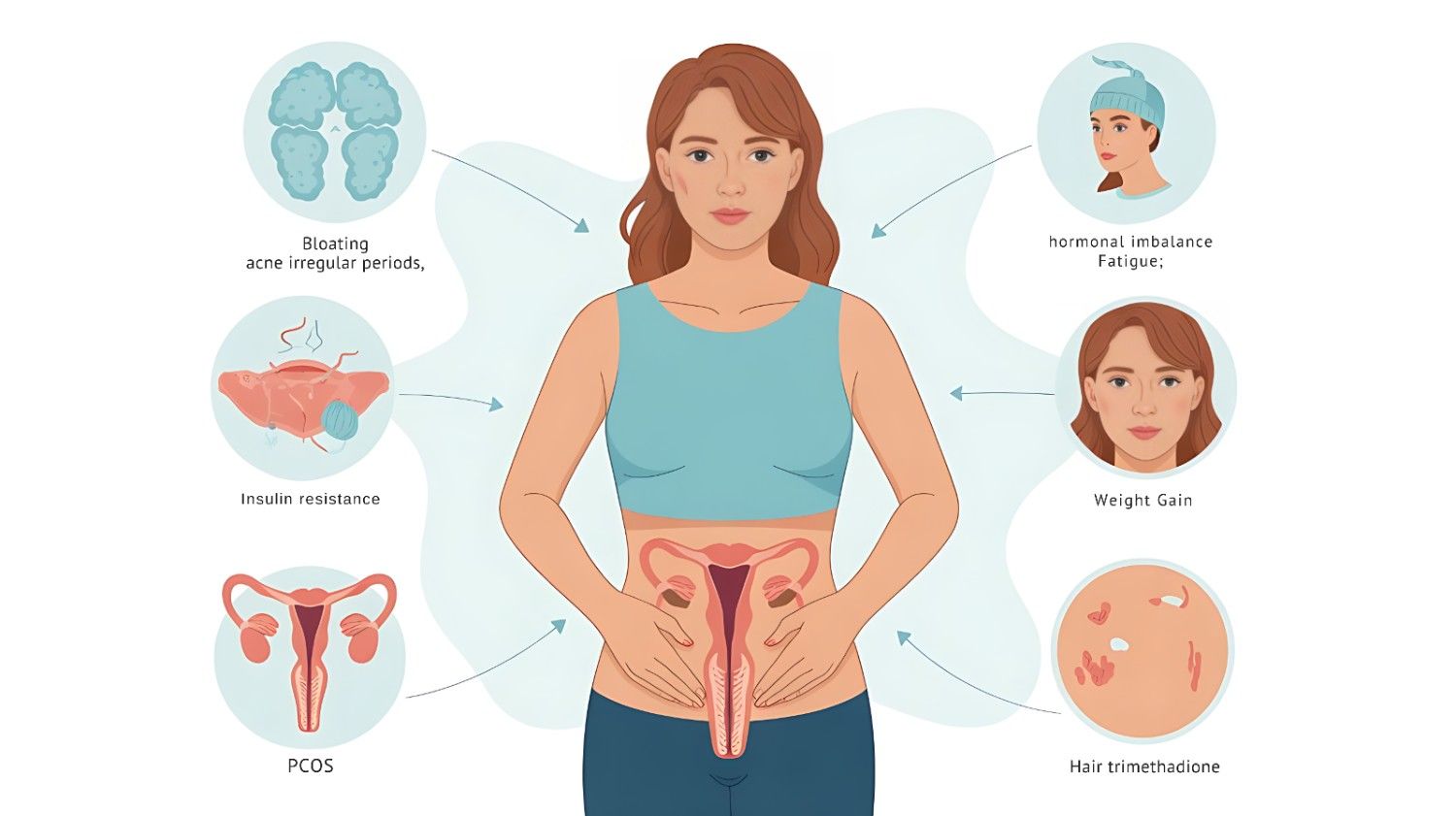
Polycystic Ovary Syndrome (PCOS) is a hormonal imbalance where your ovaries produce excess androgens (male hormones). This can interfere with ovulation, cause irregular periods, acne, and lead to unwanted weight gain.
Many women with PCOS also struggle with insulin resistance, meaning your body can’t use insulin properly. That leads to sugar cravings, energy crashes, and fat storage—especially around your belly. Balanced eating can support general health alongside an individual PCOS care plan. Diet alone is not a cure.
Why Diet is the Foundation of PCOS Management
Eating patterns can support general and metabolic health, but changes in symptoms vary. Nutrition is one part of care rather than a guaranteed way to regulate periods or hormones.
Choose sustainable eating changes that fit your preferences and goals. Your healthcare team can help with symptoms, metabolic concerns and any treatment you need.
- Hormonal Imbalance: Androgens are male hormones that are naturally present in small amounts in women. However, in women with PCOS or PCOD, the ovaries produce an excess of androgens, which disrupts the normal functioning of the ovaries and ovulation.
- Insulin Resistance: The hormone insulin facilitates the body’s utilization of glucose, or sugar, as fuel. Insulin resistance is a condition that many women with PCOS or PCOD have, which prevents their bodies from using insulin as intended. This can lead to high blood sugar levels and, frequently, weight gain.
- Inflammation: Low-grade inflammation in the body can stimulate the ovaries to produce more androgens.
- Genetics: PCOS often runs in families, suggesting a genetic link.
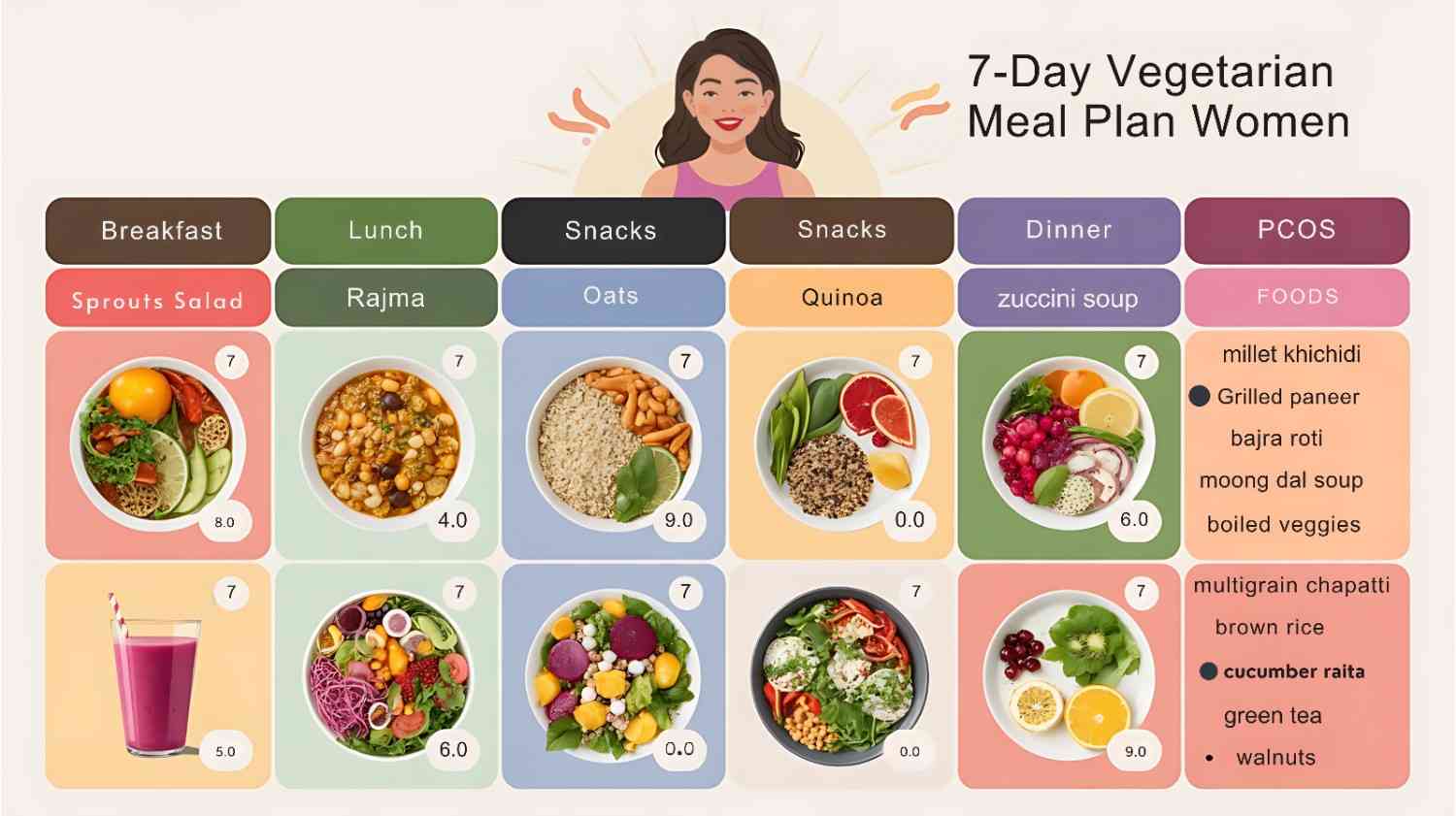
7-Day Vegetarian PCOS Diet Chart for Weight Loss
| Day | Breakfast | Lunch | Evening Snack | Dinner |
|---|---|---|---|---|
| Day 1 | Moong dal chilla + mint chutney + herbal tea | Quinoa pulao + cucumber raita | Roasted chickpeas + green tea | Lauki curry + 1 phulka + salad |
| Day 2 | Oats porridge with chia seeds and berries | Brown rice + rajma + salad | Apple slices with peanut butter | Stir-fried tofu + multigrain roti |
| Day 3 | Vegetable upma + flaxseeds | Millet khichdi + curd | Buttermilk + almonds | Mixed lentil soup + sautéed spinach |
| Day 4 | Sprouts salad + lemon + green tea | Grilled paneer + sautéed veggies | Coconut water + makhana | Soya bhurji + 1 chapati |
| Day 5 | Avocado toast on whole grain bread | Bajra roti + methi sabzi | Green tea + walnuts | Mixed veg curry + brown rice |
| Day 6 | Green smoothie (spinach, cucumber, apple) | Moong dal soup + boiled veggies | Hummus + cucumber sticks | Palak paneer + beetroot salad + roti |
| Day 7 | Dalia + seeds + nuts | Multigrain chapati + light sabzi + salad | Herbal tea + pumpkin seeds | Zucchini stir-fry + dal + brown rice |
This sample menu offers meal ideas, not a prescription. Portions, nutritional needs and suitability vary; adapt it with appropriate professional advice.
Smart Eating for PCOS: What to Include and Avoid
What to Eat:
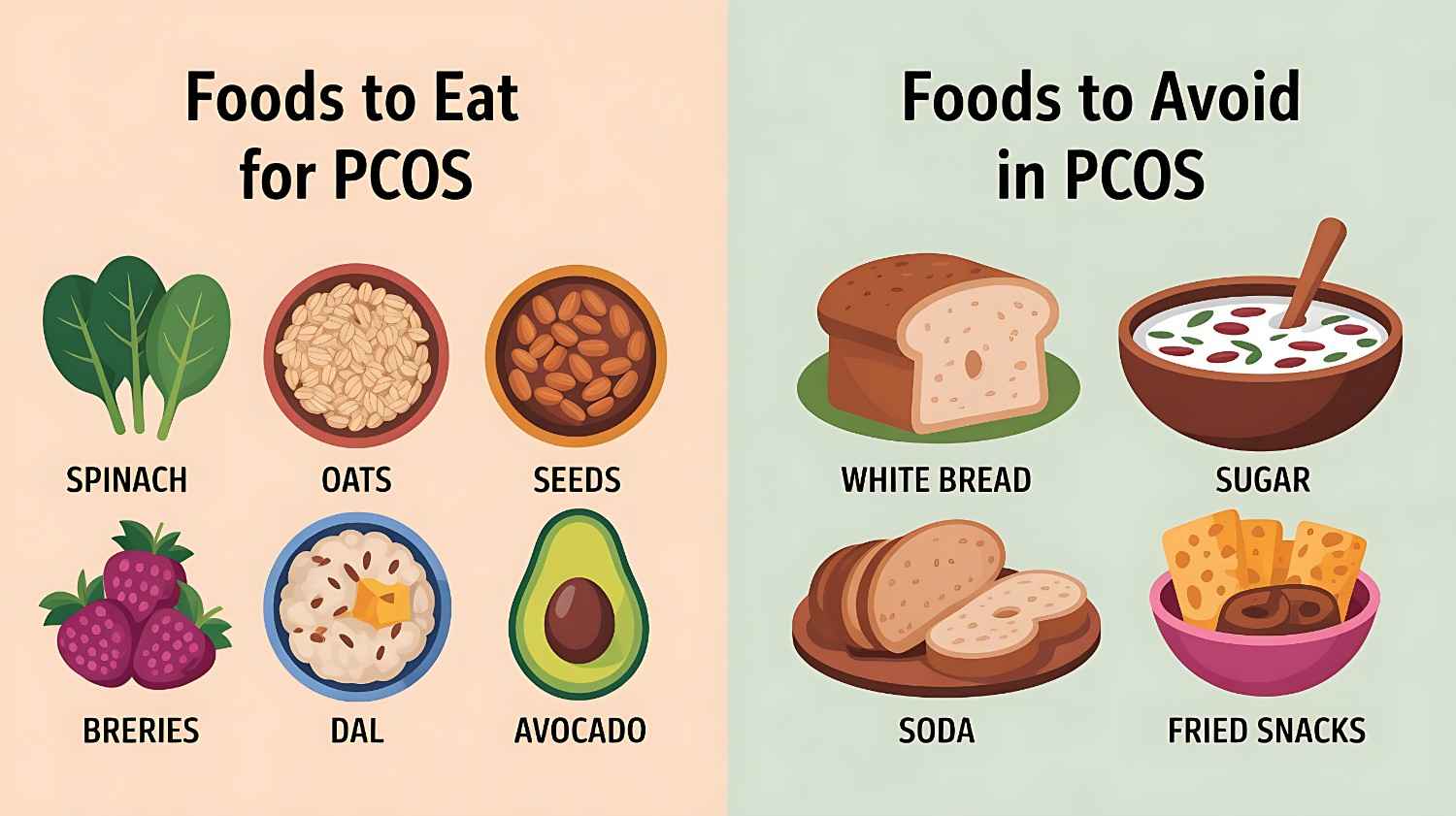
Whole grains, green leafy veggies, lentils, lean protein (like tofu and paneer), nuts, seeds, and healthy fats like olive oil or avocado are all hormone-friendly. They help reduce insulin resistance and keep your energy stable.
Healthy Eating Habits
The diet plays a major role in managing PCOS symptoms. A diet with a low glycemic index (GI) can help control blood sugar and insulin resistance.
- The best fruits for PCOS are fruits with a low GI, such as berries, cherries, apples, and pears, which can be beneficial. These fruits provide essential nutrients and antioxidants without causing rapid spikes in blood sugar levels.
- Fruit can fit into a balanced eating pattern. Consider the whole meal, portions and individual needs rather than banning particular fruits because of GI alone.
- A balanced diet rich in whole grains, lean proteins, healthy fats, and plenty of vegetables is best for managing PCOS. Fill up your plate with foods high in fiber, such as legumes, nuts, seeds, and vegetables. They can help improve your insulin sensitivity and promote satiety, which may aid in weight management—a common concern for individuals with PCOS.
What to Avoid:Build meals around a variety of nourishing foods and limit frequent sugary drinks and heavily fried snacks. PCOS alone does not require everyone to exclude dairy or gluten.
Foods to Limit in PCOS and Why
1. Refined Carbs & Sugar:Consider portions and overall food quality. Reducing frequent sugary drinks can be helpful, while occasional sweets and refined-grain foods need not be treated as forbidden.
2. Excess Dairy:Dairy does not need to be removed solely because of PCOS. If a food causes symptoms, discuss an appropriate assessment and nutritionally suitable alternatives.
3. Caffeine Overload:
Too much coffee or energy drinks can elevate cortisol levels, which affects insulin and hormone balance. Stick to herbal teas or limit caffeine to 1 cup a day.
4. Fried & Packaged Foods:
Loaded with trans fats and sodium, these increase inflammation and mess with your hormones. They also slow down your fat loss efforts, even if you’re following a strict PCOS diet chart for weight loss.
Lifestyle Changes to Support PCOS Weight Loss

1. Move Your Body Daily:
Exercise helps regulate blood sugar and reduces belly fat. Mix strength training, walking, and yoga 4–5 days a week for best results.
2. Prioritize Good Sleep:
Hormones like ghrelin and leptin (which regulate hunger) are disrupted without proper sleep. Aim for 7–8 hours of deep, uninterrupted sleep.
3. Manage Stress Proactively:
Chronic stress increases cortisol, which makes PCOS symptoms worse. Try journaling, meditation, nature walks, or even 10 minutes of deep breathing daily.
4. Stay Hydrated:Drink regularly to support hydration. Lemon or cucumber can add flavour, but water does not provide a special hormonal detox or cleanse.
5. Think Long-Term, Not Perfect:
A PCOS-friendly lifestyle is about progress, not perfection. Show up for your body consistently with love—not restriction.
Common Mistakes That Slow Down Your PCOS Progress
1. Skipping Meals:
Going too long without food can crash your blood sugar, making you hangry and tired. Eating regularly prevents overeating and supports metabolism.
2. Going Too Low-Calorie:
Extreme calorie restriction backfires. It slows metabolism and puts stress on your thyroid and hormones. Instead, eat nourishing meals with the right balance.
3. Relying Only on Cardio:
Cardio is great, but strength training is crucial. It helps improve insulin sensitivity and builds muscle, which burns more fat even at rest.
4. Ignoring Gut Health:
A healthy gut supports hormone regulation. Add fermented foods like curd, pickles, or kefir to improve digestion and reduce inflammation.
5. Not Prioritizing Sleep & Recovery:
If you’re always tired and stressed, your body won’t burn fat efficiently. Rest and recovery are part of your PCOS weight loss plan too.
Conclusion: Your Body Is Not the Enemy—It’s Your Ally
PCOS has no established cure, but treatment and sustainable lifestyle changes can help manage symptoms. A flexible eating pattern may support your health without unnecessary food rules. Discuss persistent symptoms and your goals with a qualified healthcare professional.
Remember, you’re not failing. You’re learning what your body actually needs. One small change at a time can transform everything.
Sources and important note
General information; individual medical advice should come from your healthcare team.
🔗 Related Read
If you found this guide helpful, you’ll definitely want to check out our in-depth blog on Indian Diet Chart for Weight Loss for Females — it’s packed with practical food combinations and fat-burning insights tailored for Indian women!
🥗 Get Your Personalized Diet Plan
You can enquire about general nutrition coaching and meal planning around your preferences. PCOS-related dietary treatment requires an appropriately qualified healthcare professional; general coaching does not replace that care.
📲 Let’s Stay Connected!
Don’t miss out on expert tips, real client results, and daily motivation. Follow us for powerful content that actually works:
📸 Instagram: @fitwithmohit
📺 YouTube: Fit with Mohit